Every Bold Pilgrim day has Mass in it, so in one sense every journey is Eucharistic. But some pilgrims want more: adoration in the evening, the Corpus Christi churches, the places where the Church recognizes that bread and wine have visibly become something else.
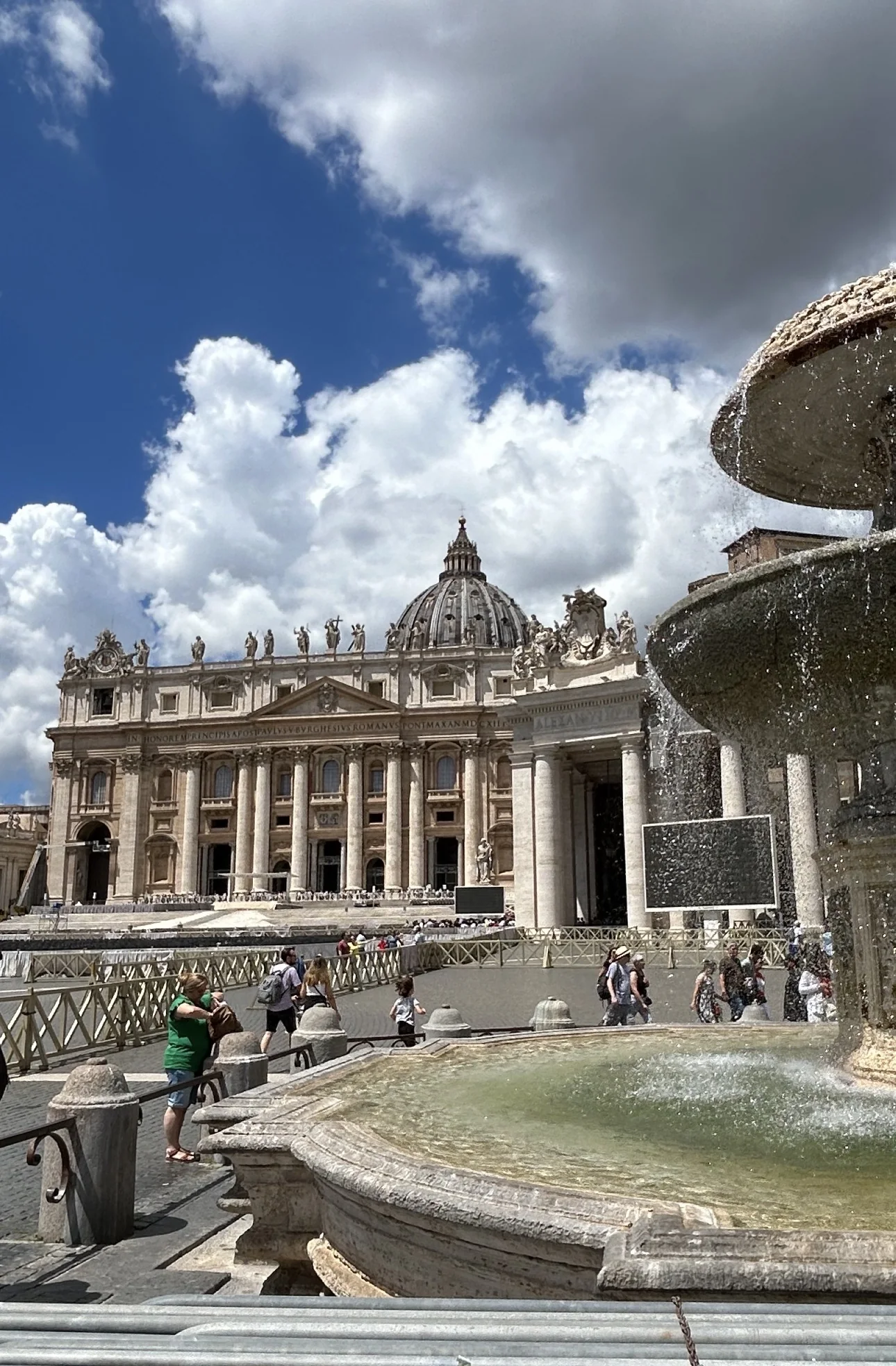
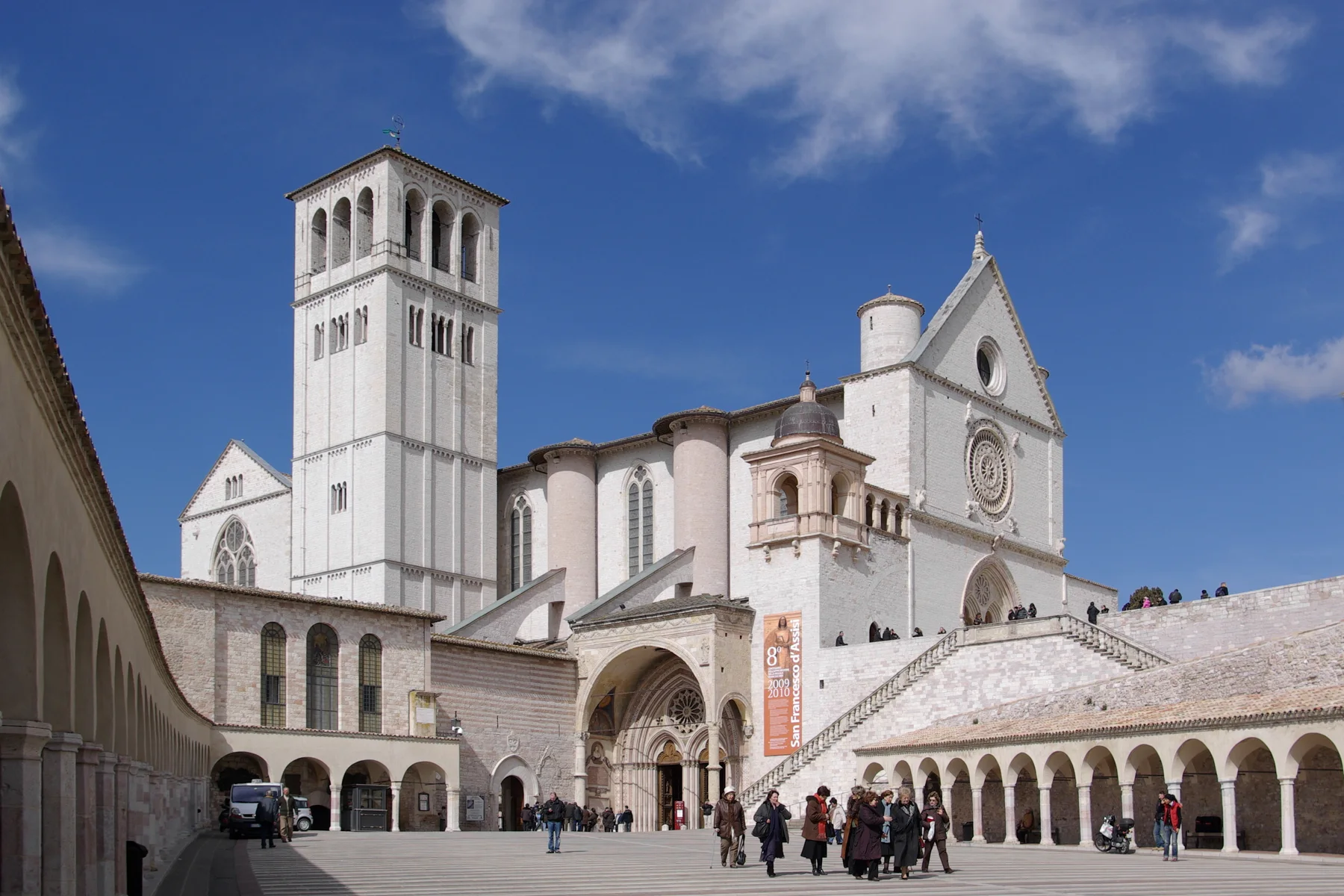
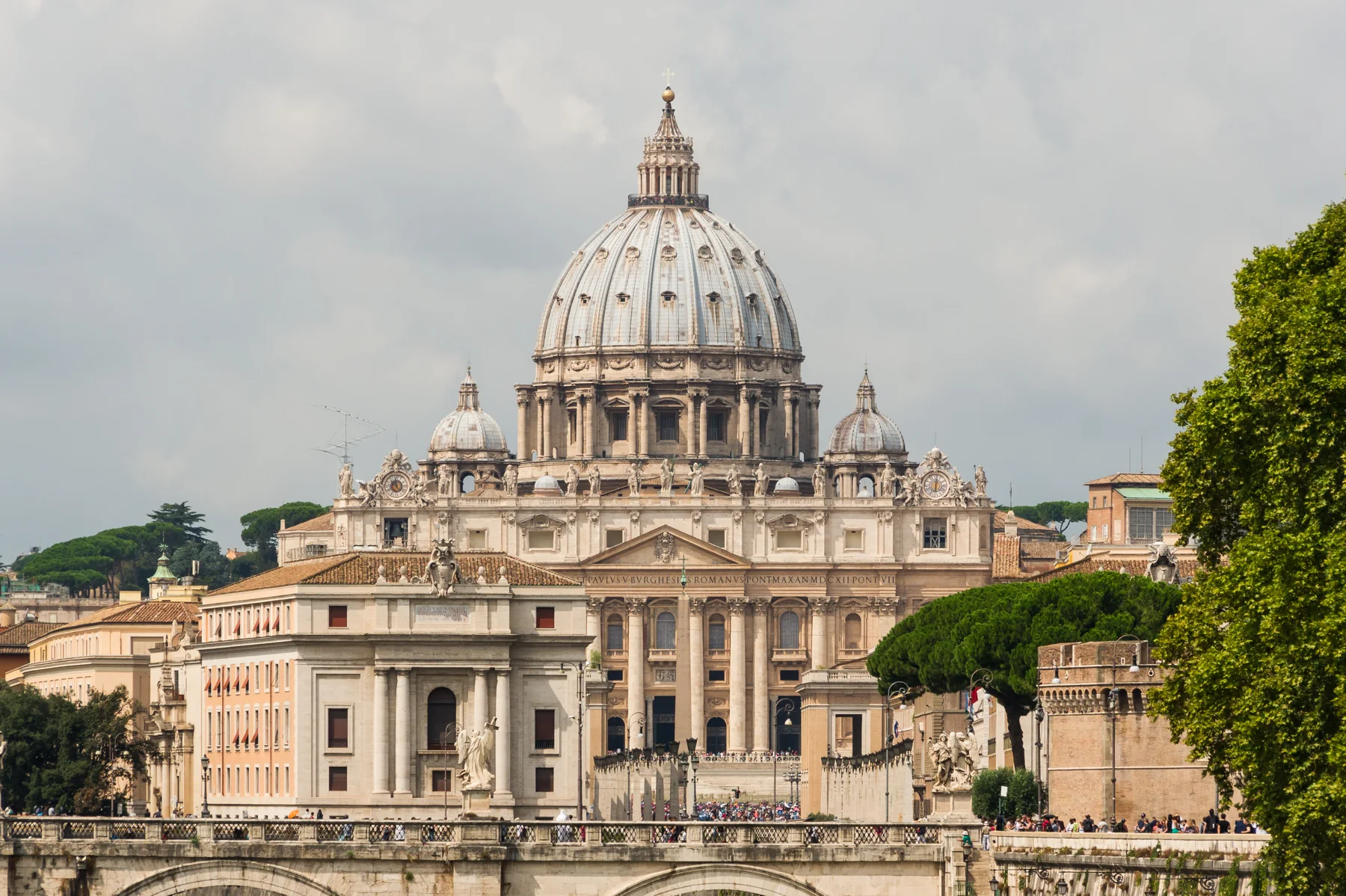
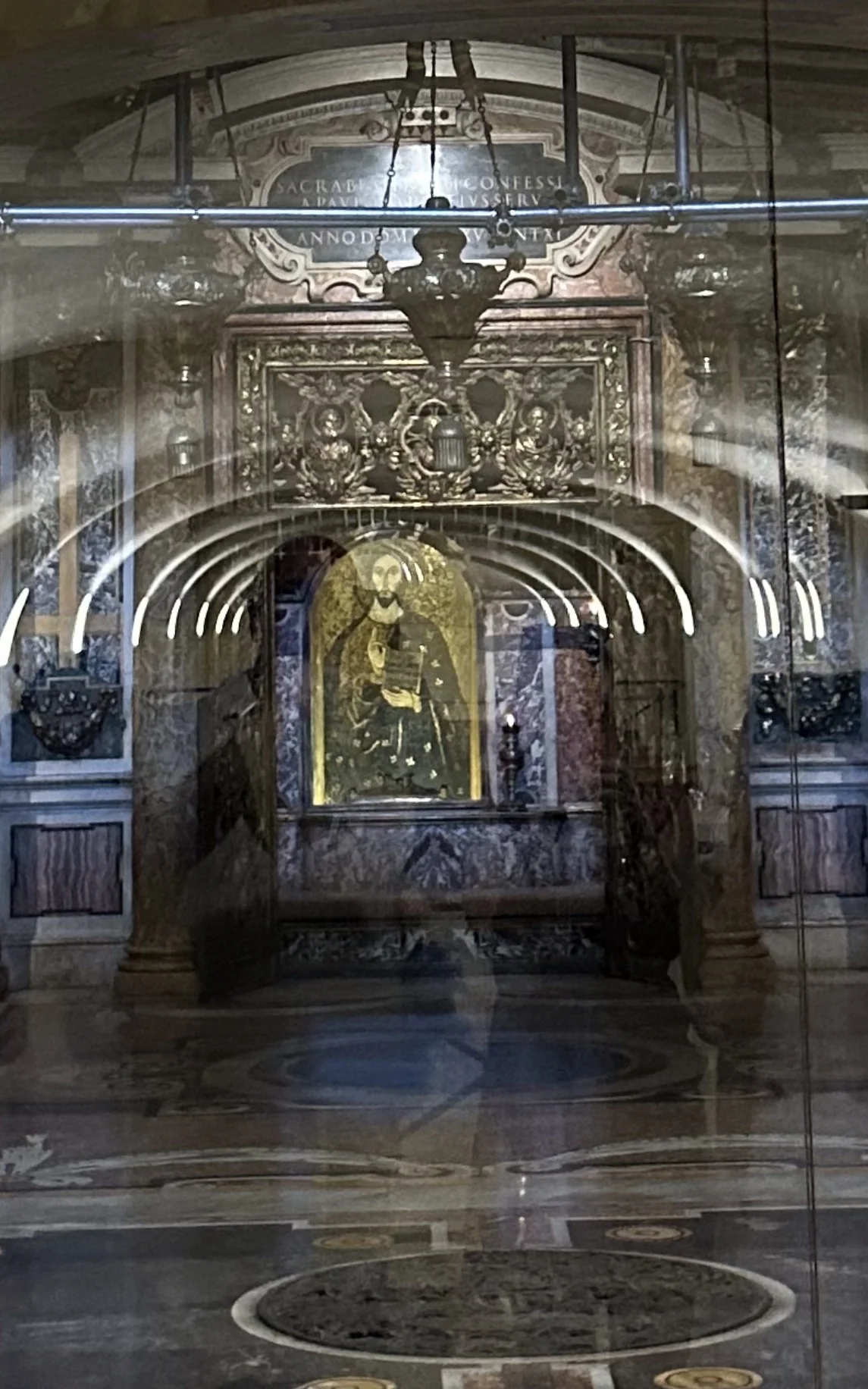
Italy holds most of those places. Orvieto's cathedral was built to house the corporal from Bolsena, and the feast of Corpus Christi followed from it in 1264; Lanciano keeps the oldest recognized miracle. Carlo Acutis, who went to daily Mass from the age of seven, catalogued them all in the exhibition now shown in Assisi near his tomb, and the Lower Church of St. Francis opens before dawn for those who want the quiet. Rome has adoration chapels across the city and St. Peter's itself.
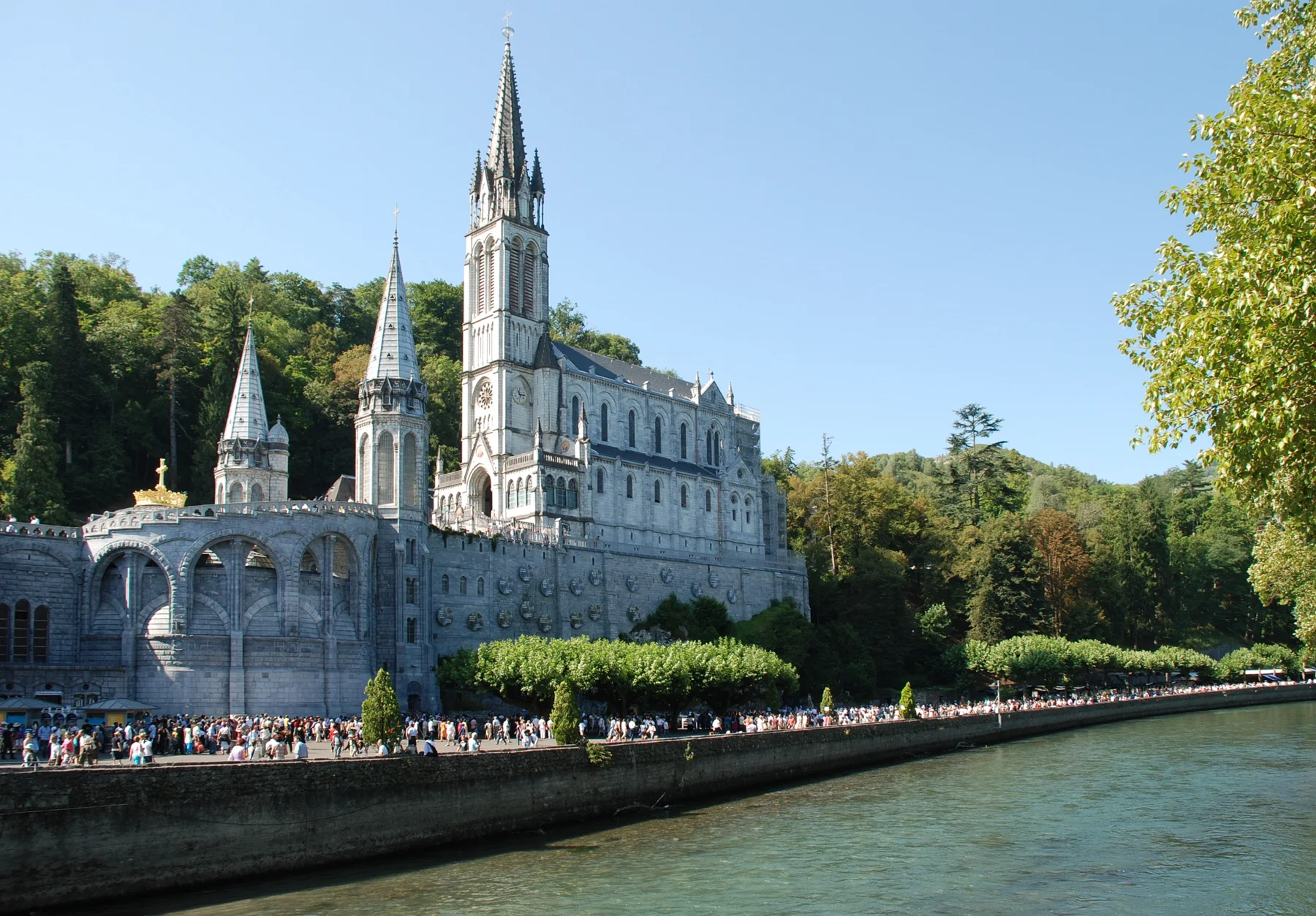
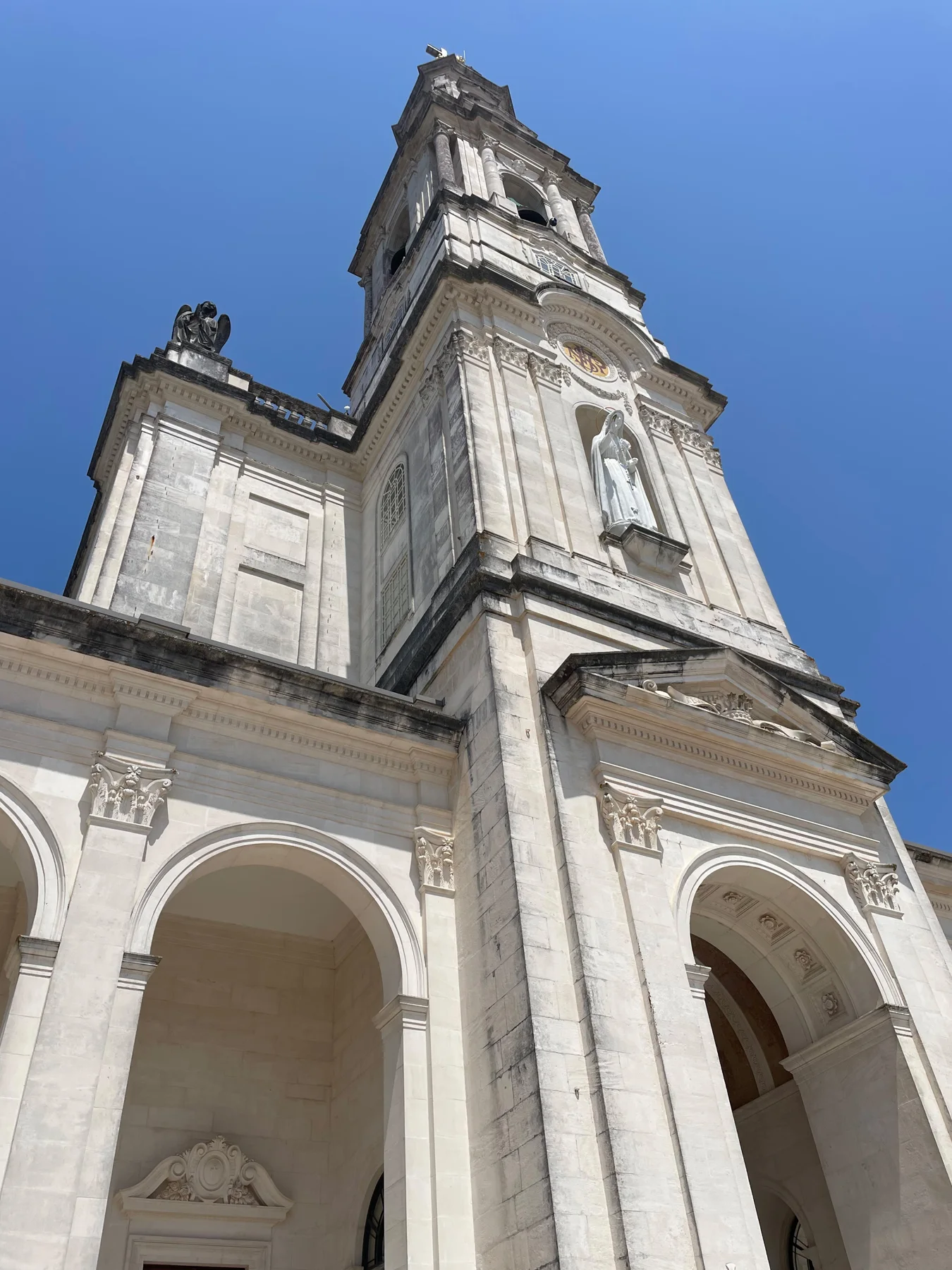
At Lourdes the afternoon Eucharistic procession, with the blessing of the sick, is the sanctuary's daily centre; at Fátima the adoration chapel is open through the night. A Eucharistic pilgrimage does not need a miracle. It needs time in front of the tabernacle, and we leave that time in.