
The devotion begins with the four apparitions of December 9 to 12, 1531, on the hill of Tepeyac north of Mexico City, and with the image left on the cactus-fibre cloak of Juan Diego when he opened it before Bishop Zumárraga. The Virgin appears as a young woman of mixed features, pregnant, standing on the moon, clothed with the sun; within a decade millions of the native peoples of Mexico had asked for baptism.
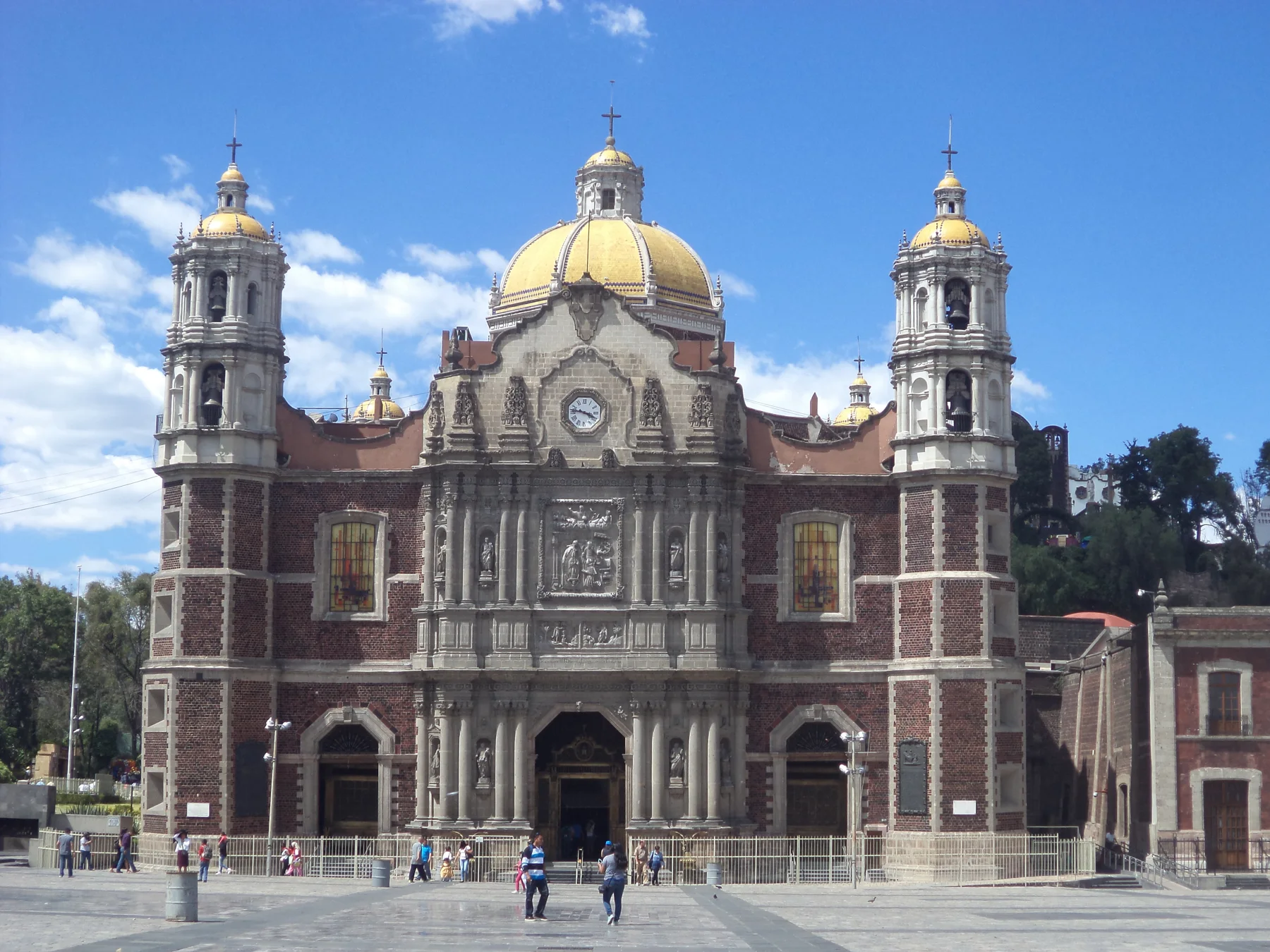
The tilma has hung at Tepeyac ever since: in a succession of chapels, in the old basilica consecrated in 1709, and since 1976 in the modern circular basilica, where it is displayed above the altar and viewed from moving walkways beneath. Many claims are made about the image's physical properties; the Church's devotion rests on the apparitions and on the image itself rather than on any of them.
Pius XII named Our Lady of Guadalupe Patroness of the Americas, and St. John Paul II canonized Juan Diego at the basilica in 2002. December 12 draws several million pilgrims to Tepeyac, many of them arriving on foot or on their knees across the plaza; the days before and after are quieter.