
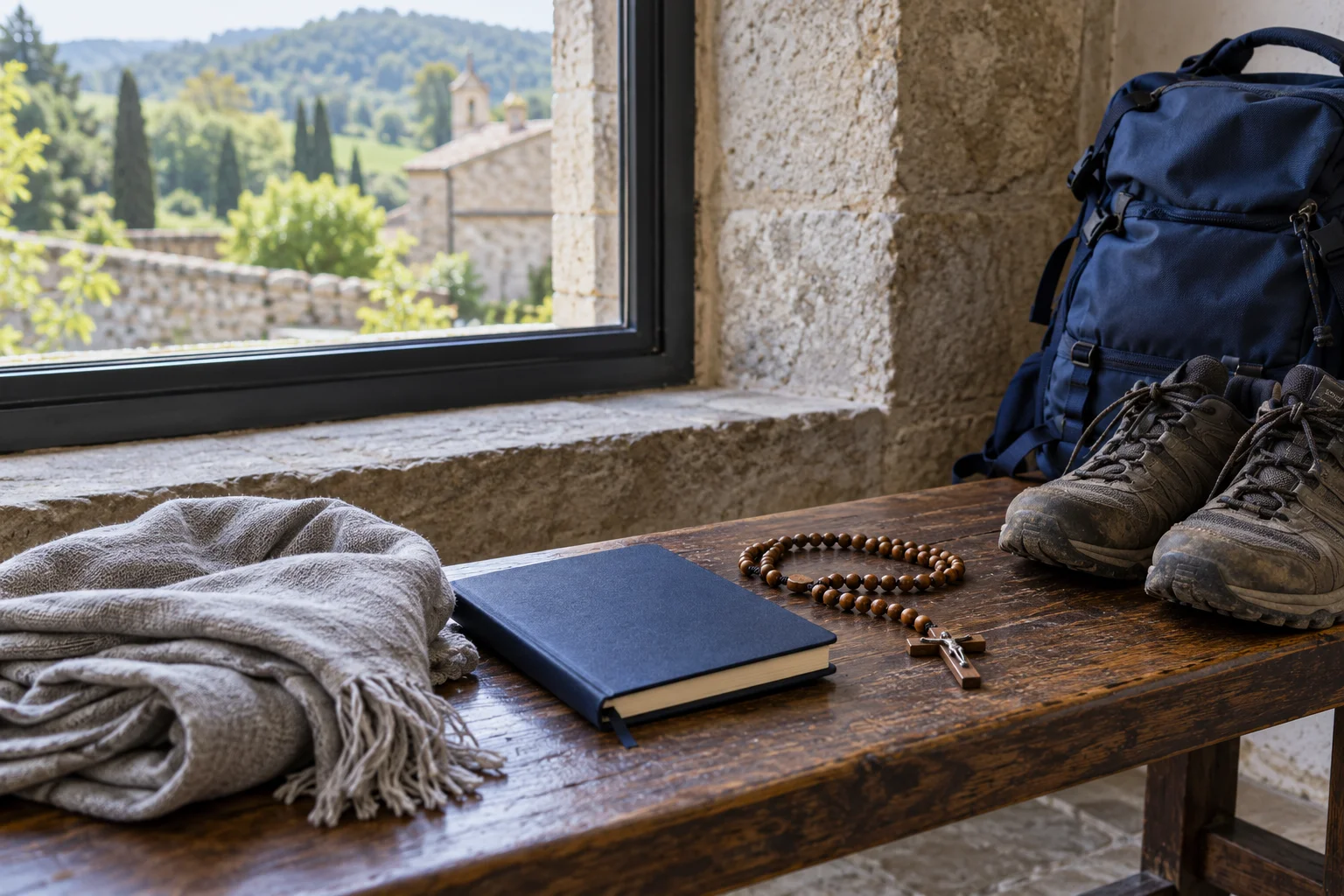
The length is set by the sites, not by the flights. Rome needs three full days for the four papal basilicas, the Wednesday general audience, and a catacomb, and most groups add Assisi, a two-hour transfer each way. The Holy Land is longer because Galilee and Jerusalem are separate bases: three nights near the Sea of Galilee and four or five in Jerusalem is the usual shape, and the U.S. bishops' guidelines ask that the itinerary leave "ample opportunity for prayer, celebration of the Sacraments, and personal reflection" rather than racing between sites.
Medjugorje is different. The parish runs the same evening prayer program every day, with Masses in various languages in the morning and silent adoration in the afternoon, so pilgrims stay in one hotel and the value comes from repetition; a week is standard and the existing page on how long to stay in Medjugorje explains why shorter visits disappoint. Lourdes and Fátima work the same way, two or three nights each, and the shrine of Fátima advises groups to book outside the May and October anniversary pilgrimages when time slots for private celebrations are scarce.
The Camino is the one pilgrimage whose length the pilgrim chooses. The cathedral's Pilgrim Office issues the Compostela only to those who have walked a minimum distance, which most groups cover from Sarria in about five days; the full route from the French border takes a month or more. Day pilgrimages to a diocesan or national shrine need no overnight at all.